
The Murray-Calloway County Hospital Board of Trustees Finance Committee will meet at noon in the hospital’s Garrison Board Room and via Zoom (call 270-762-1102 for Zoom connection details).
No-no nomenclature is a bunch of – poppycock (OPINION)
Just goes to show, if condemning use of certain words over and over and over – while threatening financial ruin, public humiliation, and physical threat to those who say them –you can successfully change the nation’s vocabulary in less than a hundred days.
A case in point is D.E.I., short for diversity, equity, and inclusion. The individual words and even the acronym are verboten in America now. President Donald Trump saw to that in the first week of his second presidency. Through a series of executive orders, diversity, equity, and inclusion were flushed into obscurity.
The war on words and ideas did not stop there. Just the other day, the president accused the Smithsonian Institution of focusing too much on “how bad slavery was” and not enough on the “brightness” of America.
In a social media tirade, Mr. Trump said, “The Smithsonian is OUT OF CONTROL, where everything discussed is how horrible our Country is, how bad Slavery was, and how unaccomplished the downtrodden have been – Nothing about Success, nothing about Brightness, nothing about the Future.”
“This Country cannot be WOKE,” he bombasted, “because WOKE IS BROKE. We have the ‘HOTTEST’ Country in the World, and we want people to talk about it, including in our Museums.”
As the president toys with purging the Smithsonian of “woke” language, federal agencies have flagged hundreds of words to limit or avoid altogether in spoken and written communication. Some no-no nomenclature includes: advocacy, feminism, Black, victim, stereotype, trauma and underserved. Phrases that have the feds clutching their pearls of wisdom are: affirming care, unconscious bias, cultural heritage, clean energy, mental health, Native American, and sense of belonging.
The work of the Smithsonian is not confined to Washington D.C. They also reach other urban and rural locations around the country. Murray State University has had the privilege of hosting more than one of Smithsonian’s Museum on Main Street exhibitions. The one I remember most vividly is Journey Stories, which came to the Wrather Museum in 2012.
About four thousand visitors viewed the displays. Scores of school kids, inspired by the exhibit, wrote and recorded poems which were broadcast on WKMS-FM (a National Public Radio affiliate) to celebrate National Poetry Month that year.
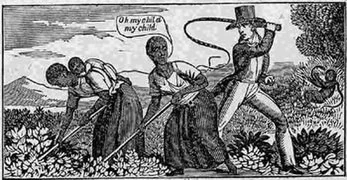
One image in Journey Stories, an engraving of a line-up of male slaves being transported on foot, sparked comment from a middle schooler. The artwork, a primary document from the antebellum era, showed barely clothed African men yoked together with leg irons and iron neck braces.
Pointing to the picture, the child declared, “They didn’t wear those things around their necks, they just wore ones on their ankles.” As if leg irons were good, but neck irons not so much.
That day, the boy learned a new word: “Coffle.”
According to “The American Slave Coast” by Ned Sublette and Constance Sublette, coffle means, “the common way slaves were transported from slave breeding states on the Atlantic coast to the slave markets and plantations of the deeper South. Southern children grew up seeing coffles approach in a cloud of dust.”
Its origin leads to an Arabic word meaning caravan, harkening back to overland slave trade that trekked across the desert from sub-Saharan Africa to the Middle East.
During the time of slavery in America, enslaved people were marched in coffles at a pace of twenty or twenty-five miles a day, sometimes for weeks and in all weather, to a point of sale.
“About a quarter of those trafficked southward were children between eight and fifteen, purchased away from their families,” The American Slave Coast description goes on.
An account by Charles Ball, who was forcibly taken from Maryland to South Carolina in 1805 stated, “The women were tied together with a rope…which was tied like a halter round the neck of each.” Men were collared in chains and “fitted by means of a padlock round each of our necks.”
“Women with babies in hand were in a particularly cruel situation,” Charles Ball recalled. “Babies weren’t worth much money and they slowed down the coffles,” he said. “William Wells Brown hired out a slave trader named Walker, who recalled seeing a baby given away on the road.”
In 1841, when Abraham Lincoln witnessed a chain of slaves he said, “The sight was a continued torment to me and I see something like it every time I touch the Ohio or any other slave border.”
Today, coffle has faded from usage, although it retains precise historic accuracy and relevance. Recently, the deportees who, at the order of Mr. Trump, were sent to a notorious Salvadoran prison without due process were tethered in a coffle, even forced to bend from the waist as they shuffled to an uncertain fate.
Words and ideas shift in meaning and sometimes out of use. That’s a fact not fake news. Were comedian George Carlin alive today, he would have to expand his list of 7 dirty words to accommodate the new American lexicon that strives only to speak of the country’s positive achievements, as if admitting anything less was inherently bad.
George Carlin has a few words he might have used to describe such repression of the truth. I call it poppycock!

Between 1989 and 2023, Constance Alexander’s column Main Street was recognized for excellence five times by Kentucky Press Association and her writing for the media was recognized with a Governor’s Award in the Arts. Left on Main is an occasional column by the award-winning columnist, poet and playwright in Murray.
Constance is also a founding member of The Sentinel’s Board of Directors.
Protecting kids from online predators starts with passing the App Store Accountability Act (OPINION)

By: Colson A. Thomas
Every day, kids and teens across America are exposed to harmful content and online predators through apps downloaded from app stores. While these digital platforms have become a normal part of growing up, they’ve also become one of the most dangerous – yet overlooked – threats facing young people today.
That’s why the App Store Accountability Act, introduced by Senator Mike Lee and Representative John James, is so important. This legislation is designed to require app stores to implement safeguards that help protect minors from digital manipulation, predatory behavior, and inappropriate content. It would also give parents meaningful tools to monitor and control the apps their children download.
As a college student, I see this issue up close. I’ve watched peers and classmates fall victim to online manipulation through apps that claimed to be harmless. Many teens don’t realize they’re being targeted until it’s too late – and by then, the emotional and psychological damage is done. This is not some distant policy concern for me; it’s a daily reality for people my age and younger.
The Children Crime Prevention and Safety Center reports that kids between 12 and 15 years old are especially vulnerable to grooming by adults online. Bad actors often pose as peers through messaging or social media apps, slowly building trust until they can exploit that connection. These situations can escalate quickly – from emotional manipulation to attempts to lure children away from home.
And yet, app stores continue to function with virtually no accountability for the content they distribute or the dangers they facilitate. Parents are often left in the dark, with no clear way to understand which apps pose risks or to filter out dangerous platforms. That’s what the App Store Accountability Act aims to fix.
The legislation would create requirements for app stores to display meaningful age ratings, allow parental controls that work across platforms, and disclose how apps handle user data. It would require app stores to secure parental approval and age verification from parents before minors are allowed to download an app of any kind. The bill doesn’t pick winners and losers or give government censorship control of the internet but simply gives parents a critical tool for them to keep their own kids safe. Bluntly, it would help create a safer online environment without limiting access to educational or age-appropriate content.
This is not about censorship – it’s about protection. Giving parents the power to make informed decisions about what their children can download is common sense. For far too long, app stores have operated as if they have no role in protecting the kids who use their platforms. This bill changes that.
If we care about our kids, we need to update our laws to reflect the digital world they now grow up in. We regulate toys, car seats, and playgrounds for safety – why should we treat app stores any differently?
As someone who grew up in this digital age, I can tell you this legislation is long overdue. Our generation doesn’t need more screen time – we need more safeguards. We need policymakers to treat online safety for kids and teens as a national priority, not an afterthought.
I encourage parents, educators, and concerned citizens to contact their members of Congress and urge them to support the App Store Accountability Act. Protecting kids online shouldn’t be optional – it should be the law.
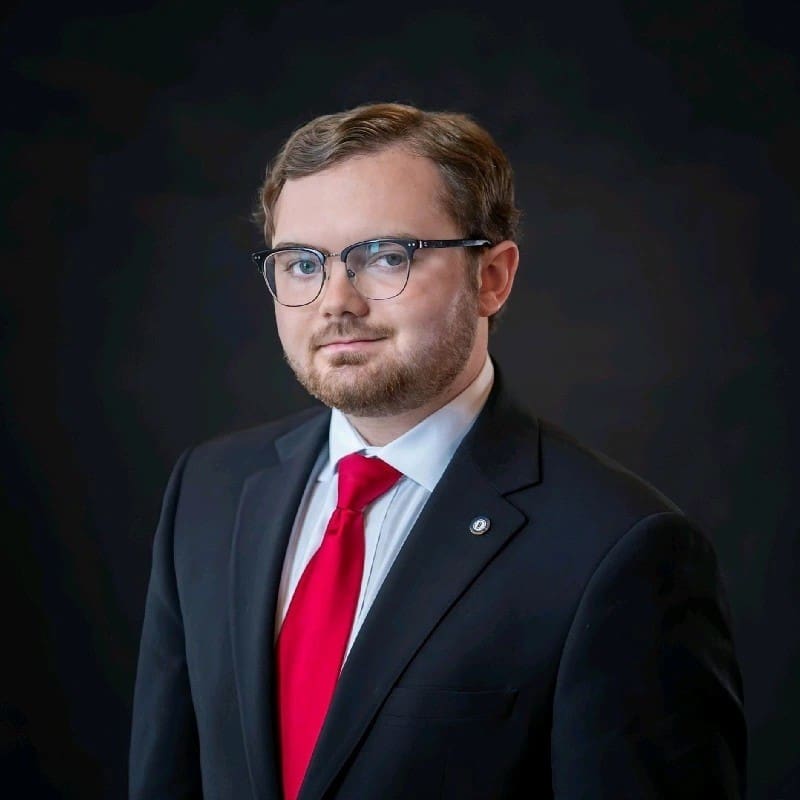
Colson Thomas is the founder of the College Republicans chapter at Murray State University and vice chairman of the Trigg County Republican Party.
Bill Gatton Foundation bolsters Kentucky FFA with record-breaking gift (Press Release)
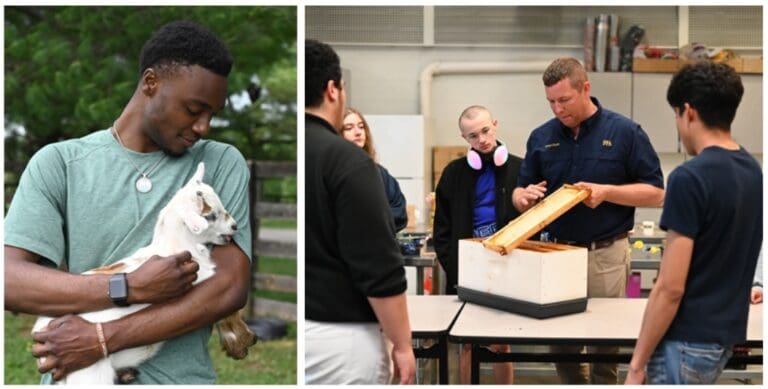
FRANKFORT, Ky. – The Kentucky FFA Foundation will receive an $11 million gift from Bill Gatton Foundation, the largest donation to any FFA Foundation in U.S. history. The gift will create unprecedented opportunities for the more than 24,000 Kentucky students who participate in the FFA program in schools across the Commonwealth.
The donation was announced during a news conference at the Kentucky State Fair. Kentucky FFA Foundation Executive Director Sheldon McKinney shared that the funds will be used to grow current programs and add new opportunities for FFA members, including:
- Enhancements to the Kentucky FFA Leadership Training Center and the FFA camp experience;
- More FFA camp scholarships for individual members and chapters;
- Increased prize money for state winners of Career and Leadership Development events;
- A foundation-led bus tour to the FFA Washington Leadership Conference for up to 100 students, as well as scholarships for students with financial need; and
- Muhlenberg and McLean County FFA chapters will have a Forever Blue endowment (managed by the foundation) that will provide annual funds for those chapters in perpetuity.
The Kentucky FFA Leadership Training Center located in Hardinsburg, will be renamed the Carol Martin Gatton Kentucky FFA Leadership Training Center in honor of this historic gift.
“Mr. Bill Gatton has a legacy of leadership, inspiring philanthropy and a deep love of Kentucky,” said McKinney. “This gift to Kentucky FFA, which was a piece of his leadership development, will offer life-changing opportunities for generations of future FFA members. The Carol Martin Gatton Kentucky FFA Leadership Training Center is a place that has grown thousands of Kentucky FFA members into true leaders in their homes, communities and our state. Mr. Gatton’s gift will ensure that we continue to thrive.”
“We are so grateful for this gift and excited for the opportunities it will open up for the students across Kentucky who are learning and growing through the FFA program,” said Beth Hargis, associate commissioner of the Kentucky Department of Education’s Office of Career and Technical Education. “Whether it’s through career skills workshops or hands-on leadership programs, our students will benefit from opportunities to help guide them down the road to success. Agriculture has a nearly $50 billion impact on Kentucky’s economy. Students who participate in FFA programs are learning valuable skills for their future and helping ensure the food supply for our country.”
Gatton served as Kentucky FFA State President in 1950. He went on to tremendous success as a businessman but is best remembered for his philanthropy. This gift from the Bill Gatton Foundation will give tens of thousands of Kentucky FFA members the opportunity to use FFA as a springboard for their own successes as entrepreneurs, leaders, and members of their communities.
FFA is a student organization for those interested in agriculture and leadership. In 2024, Kentucky FFA members earned more than $13.2 million through work-based projects and completed 26,489 hours of community service.
Final stretch: Crews wrap up paving on 12th Street in Murray
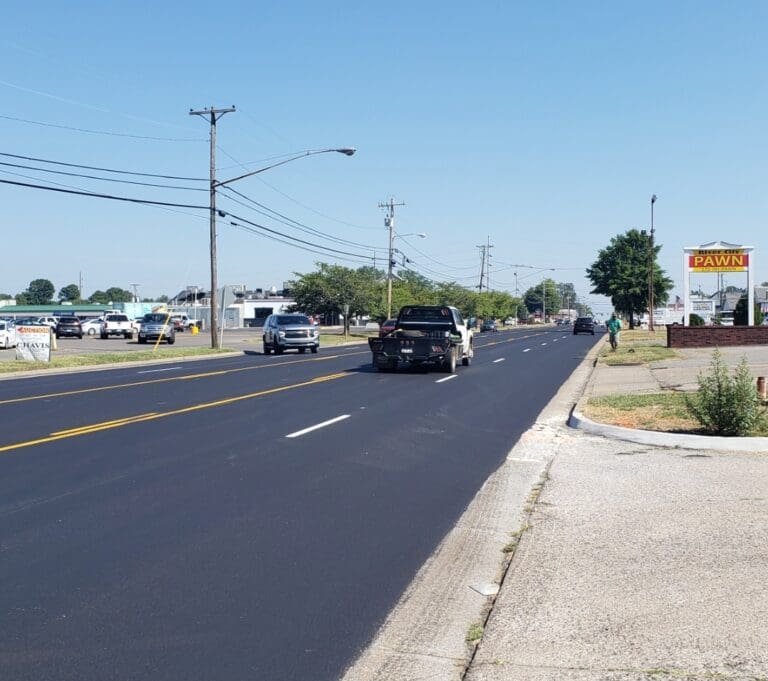
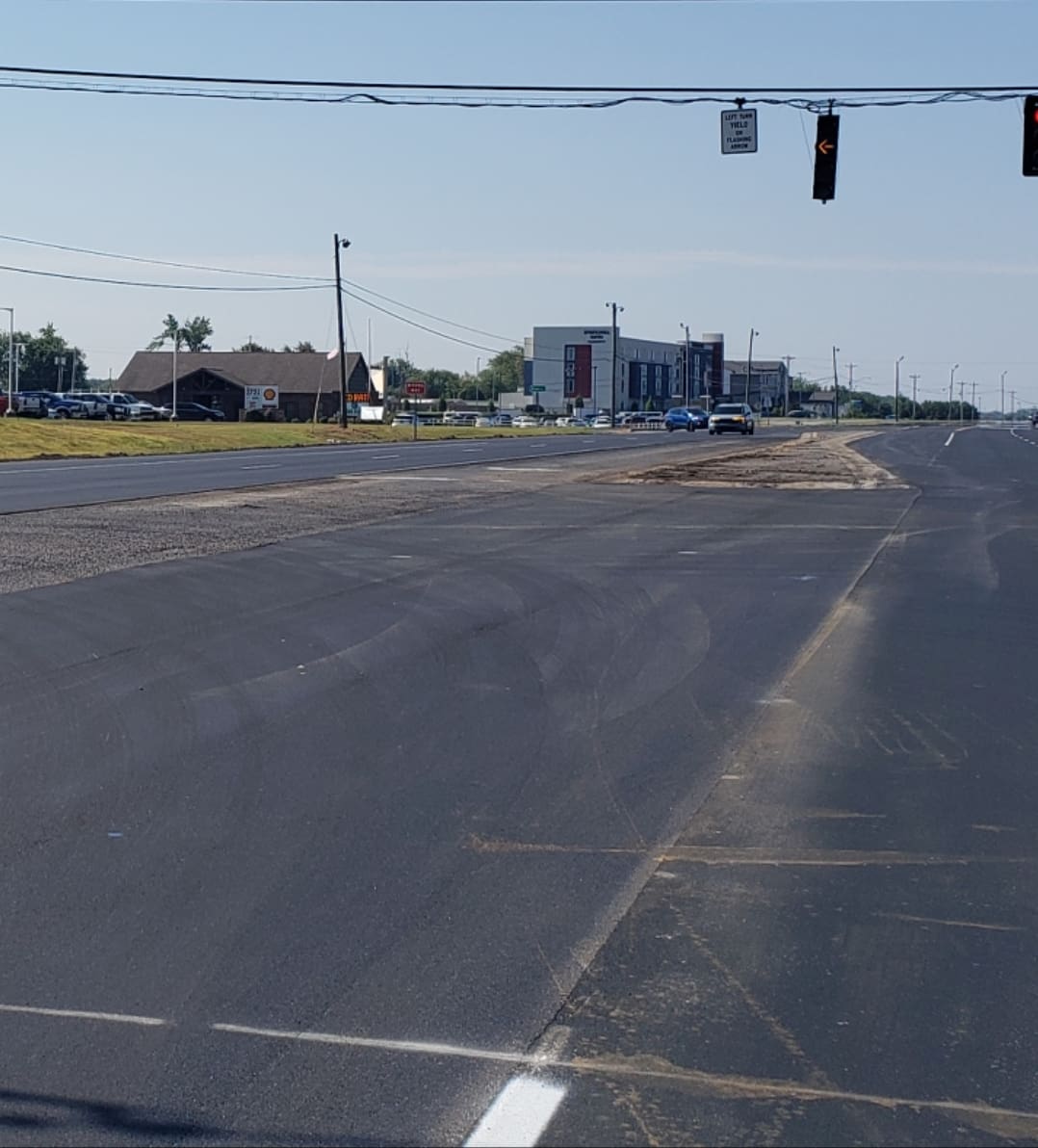
MURRAY – Barely two weeks after the Kentucky Transportation Cabinet (KYTC) began repaving U.S. 641/12th Street, the cabinet announced that the project is nearing completion, with crews scheduled to finish the final paving work Friday.
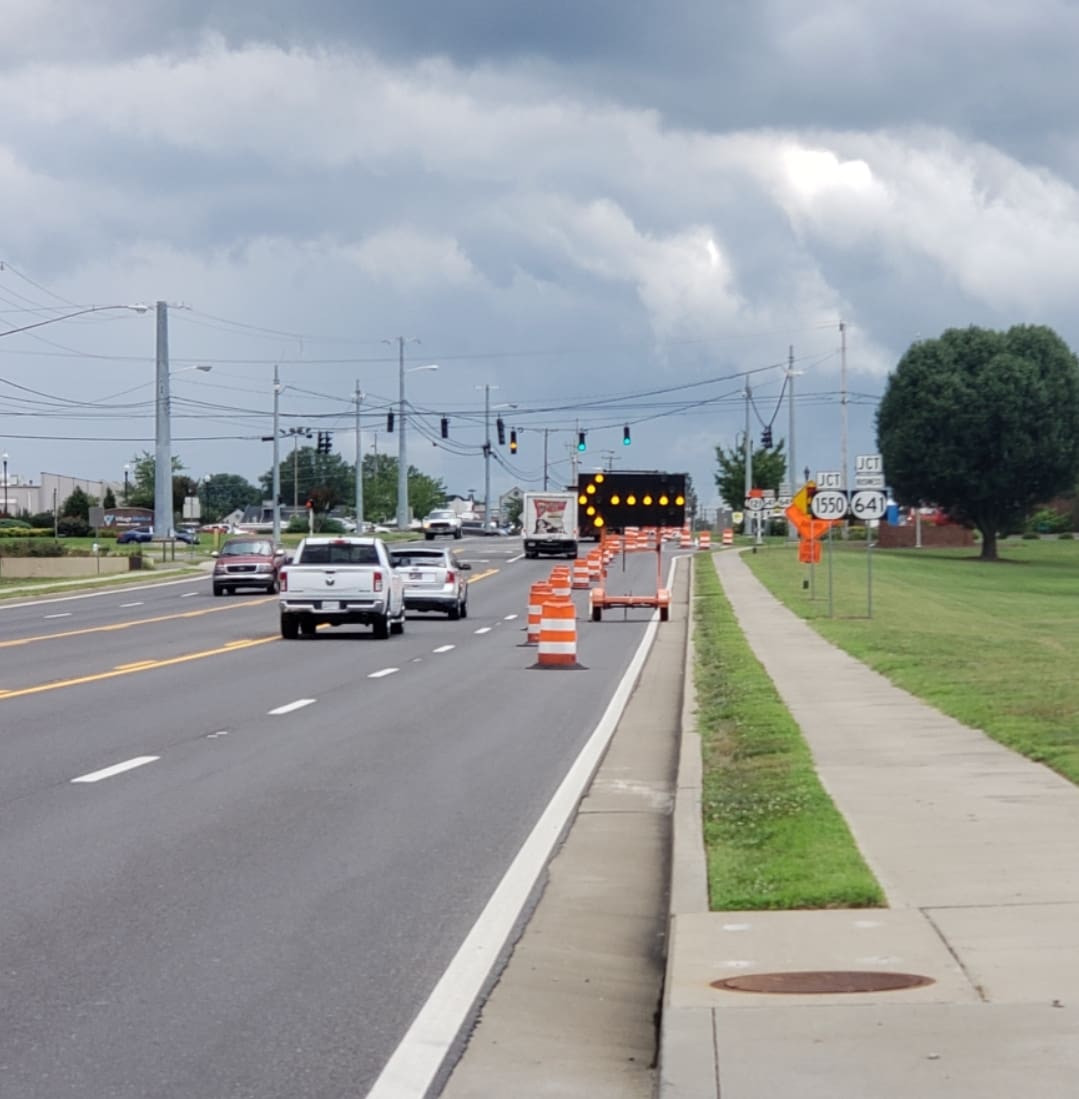
The work zone covers a 3.4-mile stretch of road from near Tabard Drive on the south side to KY 80 just north of Murray. Paving will focus on the turn lane and crosswalk areas. Unlike the previous phases of the project which were done at night, the final phase of paving will take place during the day, starting at 4 a.m. tomorrow, KYTC advised in a press release.
While crews are expected to fully wrap up the paving on Friday, the project will not be complete until the roadway is permanently striped. In its release, the cabinet noted that the project remains on track to be completed by Aug. 29. In the meantime, motorists are encouraged to follow signs and use caution.
The scope of the project, which started on Aug. 7, included fine milling around curbs and ramps and the application of a “thin overlay” of blacktop, KYTC District 1 Public Information Officer Carrie Dillard told The Sentinel.
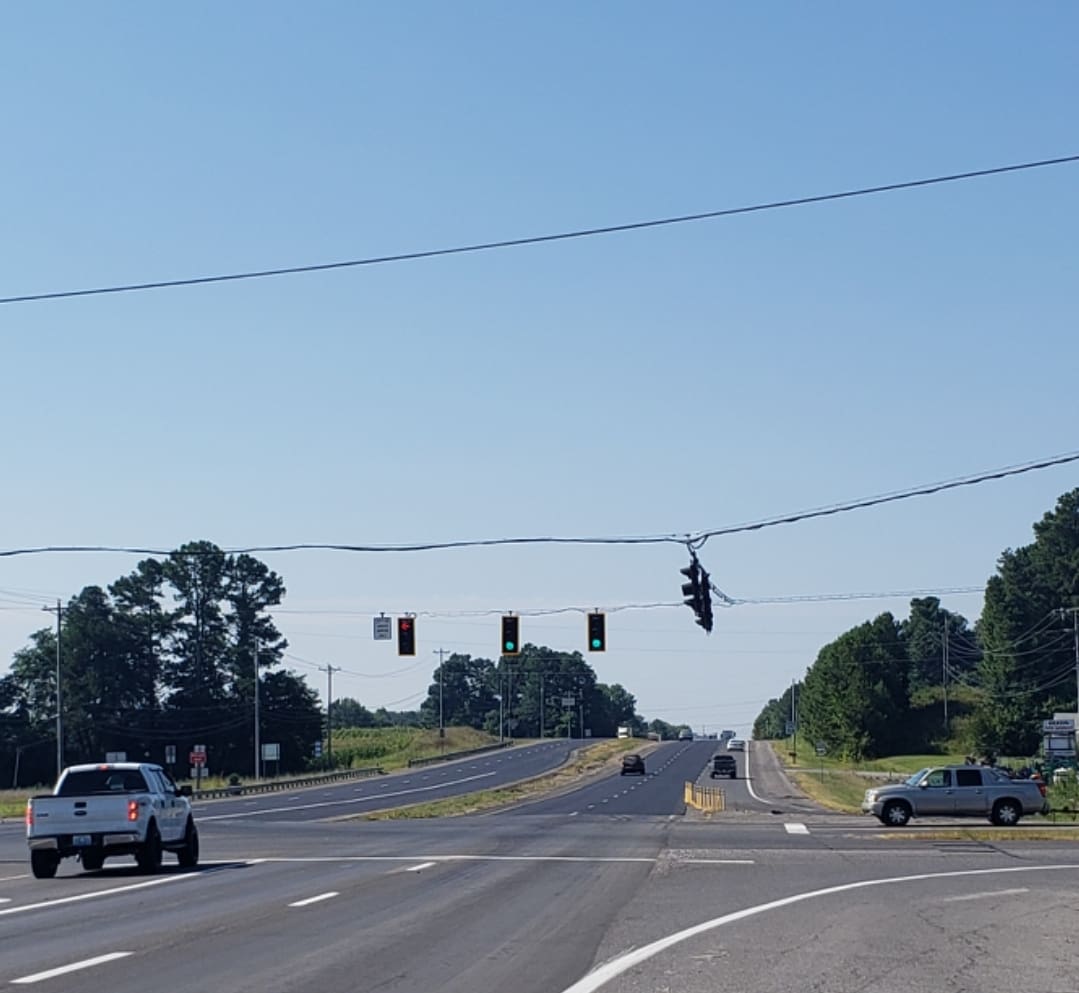
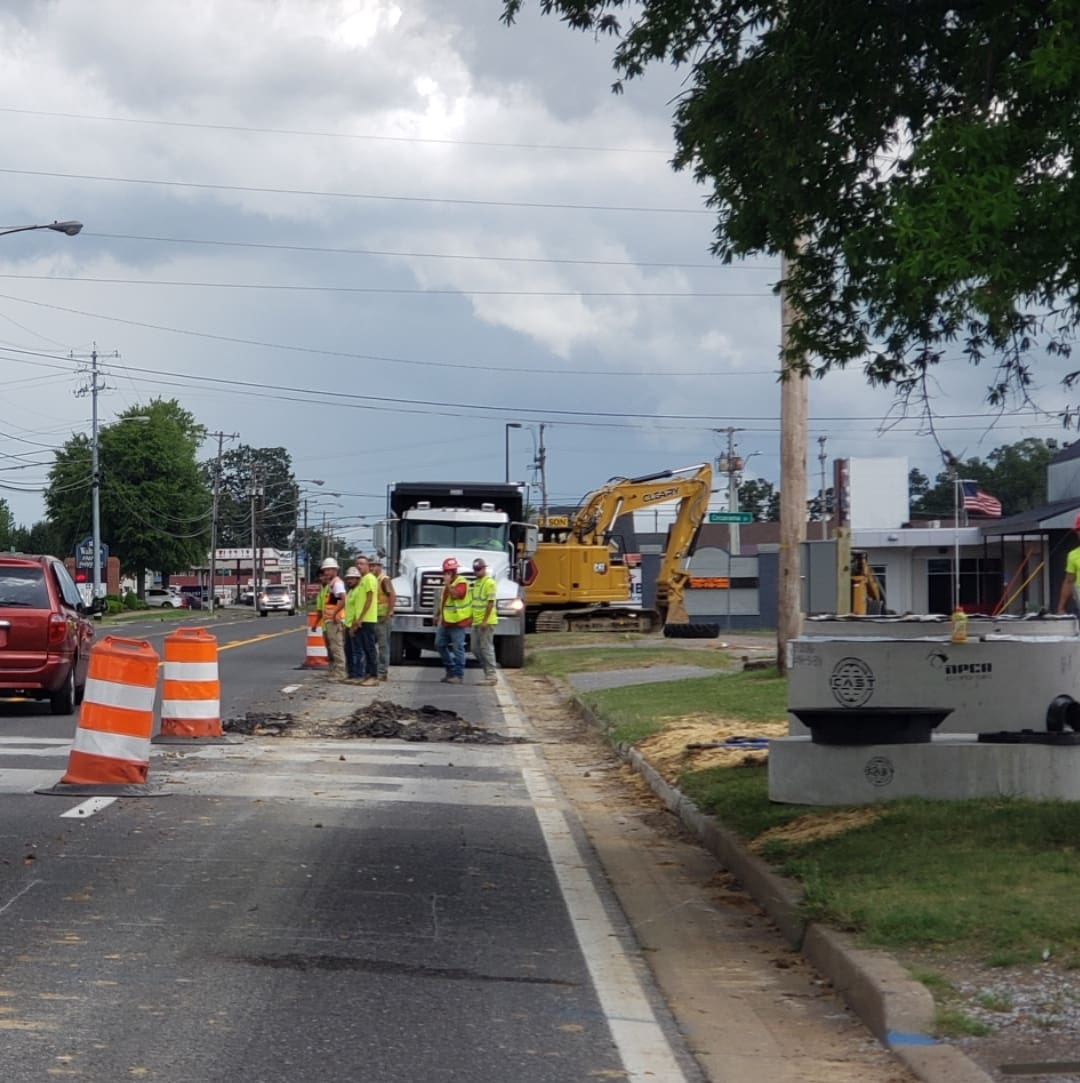
In order to meet the goal of completing the project within the prescribed three weeks, the contractor used two crews, working simultaneously, with one moving north from Tabard Drive, while the other moved south from KY 80.
One week in, fresh blacktop covered all northbound and southbound lanes as well as the turn lane in town; however, intersections were still missing pavement markings, several turn lanes north of town had yet to be paved and, in town, the butt joints – where the new pavement transitions to existing streets – still needed work.
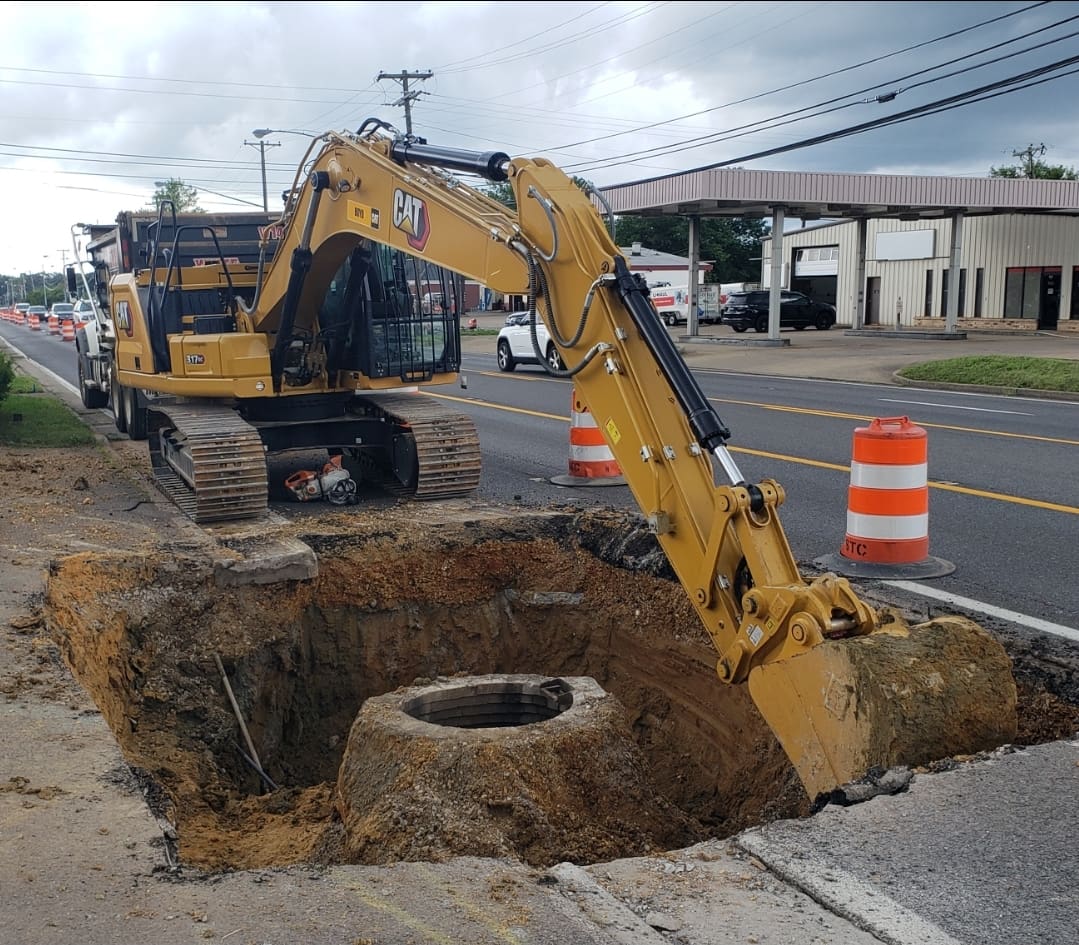
KYTC planned to start the project before August; however, upon learning of the state’s plan for the roadway, city officials asked the cabinet to postpone it long enough for the Murray Street Department to replace six manholes – one on Glendale Road, near the intersection with 12th Street, and five on the east side of the street from Glendale to Pogue Avenue, Mayor Bob Rogers told The Sentinel in July.

Expungement: Erasing the mistakes of your past
By Chris Hendricks, Attorney at Law
The French novelist Marcel Proust once said, “There is no man, however wise, who has not at some period of his youth said things, or lived in a way the consciousness of which is so unpleasant to him in later life that he would gladly, if he could, expunge it from his memory.”
Many, gaining wisdom and experience in life, regret the mistakes of their youth, particularly if they have made mistakes resulting in a record. A criminal history can haunt a person long after the sentence is complete. Luckily, Kentucky now has expansive expungement statutes that make the process of erasing the legal mistakes of your past easier.
Under the current state of Kentucky law, cases wherein all charges are dismissed are eligible for expungement, regardless of the type of offense. Presently, if a case is dismissed, it is automatically expunged by the clerk of the court. Older cases that were dismissed, however, would still require an expungement petition. There is no fee for filing a petition to expunge a dismissed case.
Most misdemeanor convictions are eligible for expungement. There are some exceptions. If a conviction may result in the same or a similar future conviction being enhanced, that is, the penalty increased because of the prior conviction, it is ineligible for expungement. Also, sexually based offenses and offenses that involve a child as the victim are ineligible for expungement. Finally, a person petitioning a court for expungement cannot have been convicted of a separate felony or misdemeanor in the five years prior to filing the petition, nor can a felony or misdemeanor charge be pending against the person requesting expungement. There is a filing fee for a petition to expunge an eligible misdemeanor, payable for each case.
Some specific felony convictions are now eligible for expungement due to recent legislation that amended the expungement statutes. Class D felonies, which carry a potential penalty of one to five years in the penitentiary, are eligible for expungement unless they fall within one of the same categories that make certain misdemeanors ineligible for expungement. Also, the same requirements exist for felony expungement petitions regarding no convictions in the immediately preceding five years and no current pending felony or misdemeanor charges. There is also a filing fee for a petition to expunge an eligible felony, payable for each case. Any other class of felony conviction – those with a potential penalty of over five years in the penitentiary, are not eligible for expungement by the court.
Expungement of an eligible felony or misdemeanor conviction cannot be granted until five years following completion of his or her sentence, which includes any time on probation, parole, or conditional discharge, or if a sentence of imprisonment is served in full by the petitioner. For example, if a person is convicted of a misdemeanor and a jail sentence is suspended by the court, contingent on the person’s compliance with specific conditions, that sentence is “conditionally discharged.” The maximum time for a conditional discharge is two years. Therefore, once a two-year conditional discharge expires, an additional period of five years must pass before an expungement can be granted, bringing the total waiting period to petition for expungement to seven years.
Prior to filing a petition to expunge an eligible felony or misdemeanor conviction, one must obtain a certificate of eligibility. An application for the certificate of eligibility is only available online and a fee is required when it is submitted. The certificate of eligibility is prepared by the Kentucky State Police records branch and ensures the judge and prosecutor reviewing the petition for expungement have accurate and current information regarding the status of the person filing the petition.
It is important to consult an attorney that is experienced in the expungement process if you wish to seek expungement of a criminal conviction. Attempting to navigate the justice system, even with something as straight forward as an expungement, can be a daunting task. Erasing the mistakes of your past is possible and anyone with a conviction eligible for expungement should begin the process as soon as the time for waiting to petition the court passes.
*This content is for informational purposes only and not intended to constitute legal advice, is not a substitute for professional legal counsel, and does not create an attorney-client relationship. This is for general knowledge and should not be relied upon for specific legal situations.
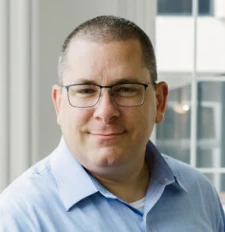
Chris Hendricks is an attorney in Murray, Kentucky. A native of Murray, he earned a Bachelor of Arts from Murray State University. Chris was employed in law enforcement for 11 years before pursuing a career in the practice of law. After earning his law degree from Southern Illinois University School of Law, Chris received a license to practice law in Kentucky in 2014. He focuses on criminal defense, appeals, personal injury and family law. He resides in Murray with his wife. They have two daughters, ages 22 and 19.
Read more from Chris: The Miranda Warning: Fact v. Fiction
Kentucky officials take action to ban “designer Xanax”
Staff Report
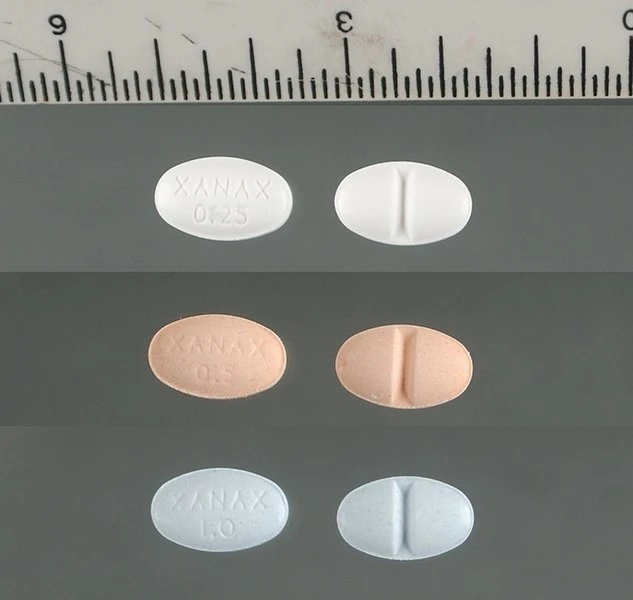
FRANKFORT, Ky. – Today, at the request of Attorney General Russell Coleman, Gov. Andy Beshear announced the emergency classification of bromazolam as a schedule 1 controlled substance. The dangerous, unregulated drug, which is commonly known as “designer “Xanax,” has been tied to a growing number of fatal overdoses nationwide, including 48 in Kentucky last year.
The new designation, which took effect immediately, criminalizes the sale and possession of bromazolam in the commonwealth and gives police and prosecutors clearer authority to pursue cases.
“Team Kentucky has made important progress in our fight against addiction, with three-straight years of declines in overdose deaths, and we’re committed to ensuring that work continues,” Beshear said in a press release from his office. “This deadly drug has no place in our communities, and now we have the tools needed to get it off the streets and protect more lives.”
“By answering our call to take emergency action on bromazolam, we have given Kentucky law enforcement new tools to keep this dangerous drug off our streets,” Coleman said in the release. “I’m proud of the zealous collaboration with the Northern Kentucky Drug Strike Force to sound the alarm and save lives. We live in a moment when as little as one pill can kill – and is killing – our kids. I’m glad we could work together to tackle this grave threat.”
Prior to Beshear’s action today, the only states that designated bromazolam as a Schedule 1 controlled substance were Nevada, New Mexico, North Dakota, Virginia and West Virginia.
The announcement came shortly after Coleman – with the support of 21 other attorneys general – urged the U.S. Drug Enforcement Administration to take similar emergency action at the federal level. In a letter to DEA Administrator Terry Cole, they described bromazolam as “highly potent and unpredictable,” noting that illicitly manufactured versions lack quality controls and increase overdose risk.
“Unlike regulated medications,” the letter reads in part, “illicitly manufactured bromazolam lacks any quality controls, making it particularly lethal for unsuspecting users.”
By design, the emergency scheduling is intended to help police remove the drug from circulation and equip prosecutors to hold traffickers accountable while sending a clear signal that “designer Xanax” has no place on American streets.
“Law enforcement desperately needs the tools to drive this dangerous drug from our neighborhoods,” Coleman said in a statement. “Along with attorneys general from across the country, we’re working with President Trump to support our law enforcement and keep families safe from this poison.”
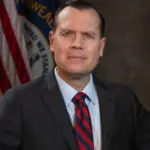
Coleman’s urgency around the cause was largely prompted by communications to the Attorney General’s Department of Criminal Investigations from the Northern Kentucky Drug Strike Force about a troubling increase of bromazolam pills flooding the commonwealth, according to a press release from his office. A Drug Strike Force investigation with the U.S. Postal Inspection Service recently interdicted one parcel containing 958 pills that were later confirmed to be bromazolam.
Attorneys general from Alabama, Arkansas, Florida, Georgia, Indiana, Iowa, Louisiana, Mississippi, Montana, Nebraska, North Dakota, Ohio, Oklahoma, Pennsylvania, South Carolina, South Dakota, Tennessee, Texas, Virginia and West Virginia signed Coleman’s letter, which can be read here.
Calloway County Fiscal Court Work Session
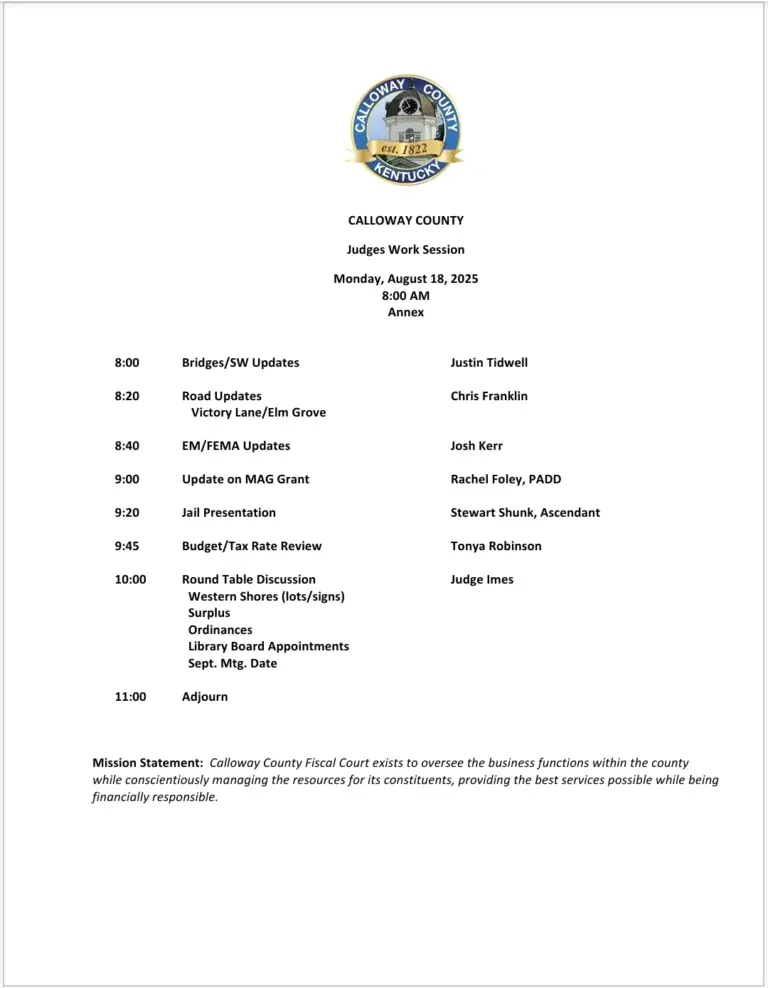
The Calloway County Fiscal Court will hold a work session at 8 a.m. at the Robert O. Miller Courthouse Annex, 201 S Fourth St.
Calloway County Fiscal Court Regular Meeting
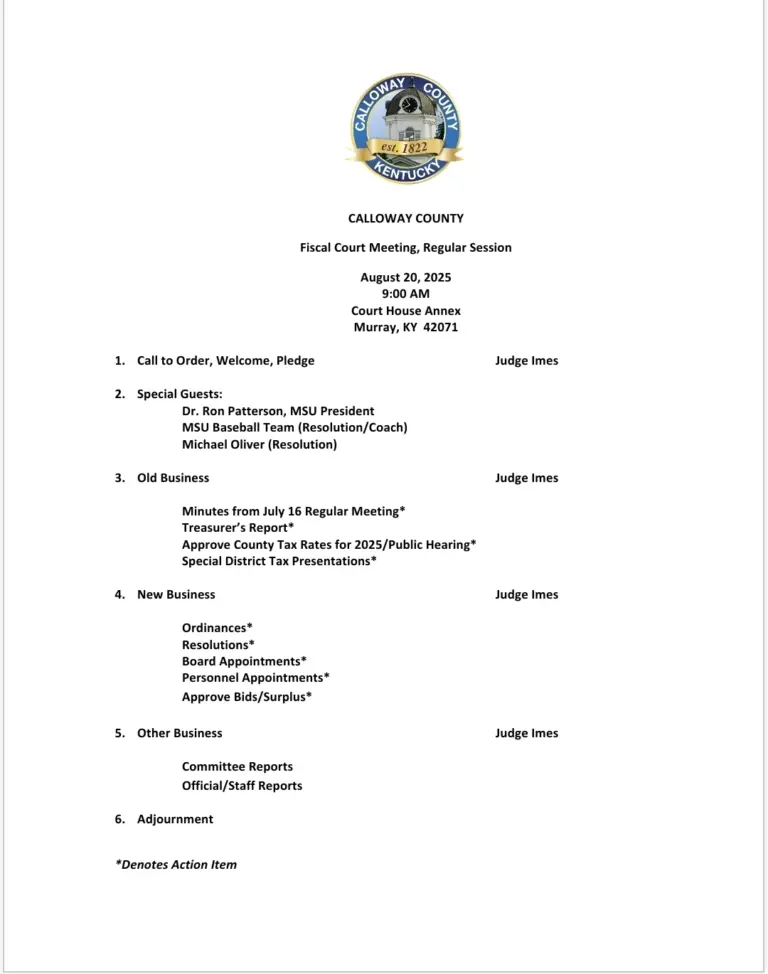
The Calloway County Fiscal Court will meet at 9 a.m. at the Robert O. Miller Courthouse Annex, 201 S Fourth St.
Murray Board of Zoning Adjustments Regular Meeting
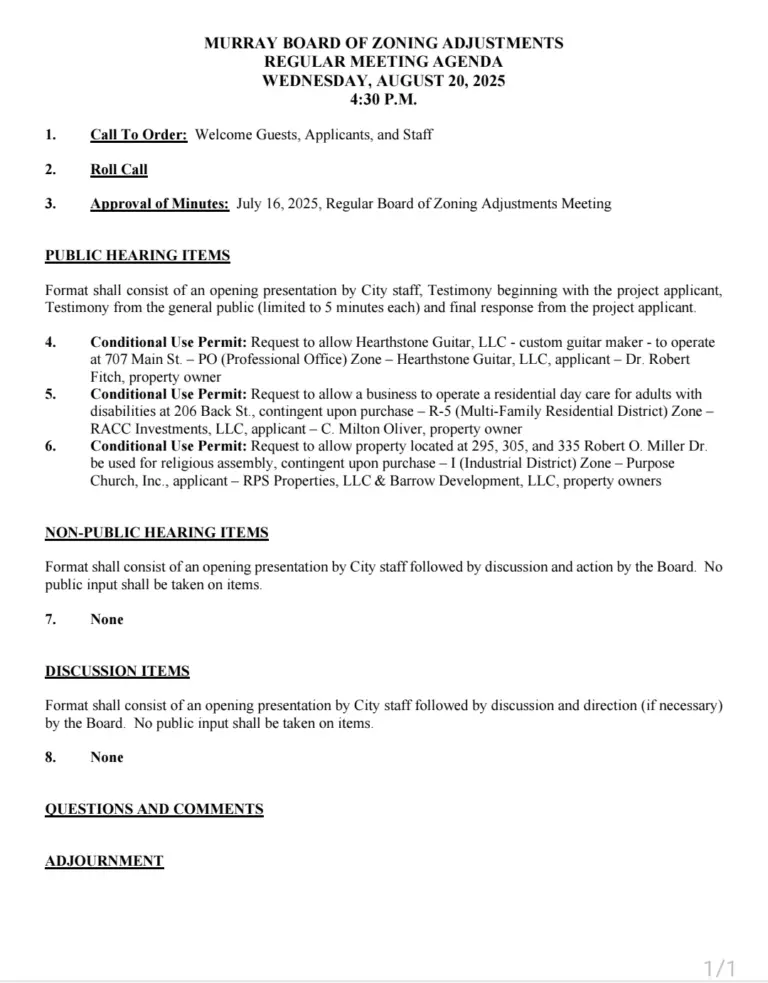
The Murray Board of Zoning Adjustments will meet at 4:30 p.m. at City Hall, 500 Main Street.